This post will be a lot more 'wordy' than my usual blogging output. I make miniatures so images are usually enough, on the subject of gaming rules however I'll need to go a bit TEXT on you.
Here's a shot of play testing on my mythology game.
I have a huge respect for tabletop game designers. Anyone who has ever attempted to create their own tabletop game rules, seriously, will know what I mean.
My rules are about 11 years old now and they've always served their purpose. After doing my research over the last few months however I realise why... there's nothing new or innovative about them. The rules have evolved over time on their own in the truest sense, in a tiny group, into something that's a solid reliable set for what it is - skirmish rules for 50 odd models or less a side. So much so they're not even written down properly (1 page of shorthand is all).
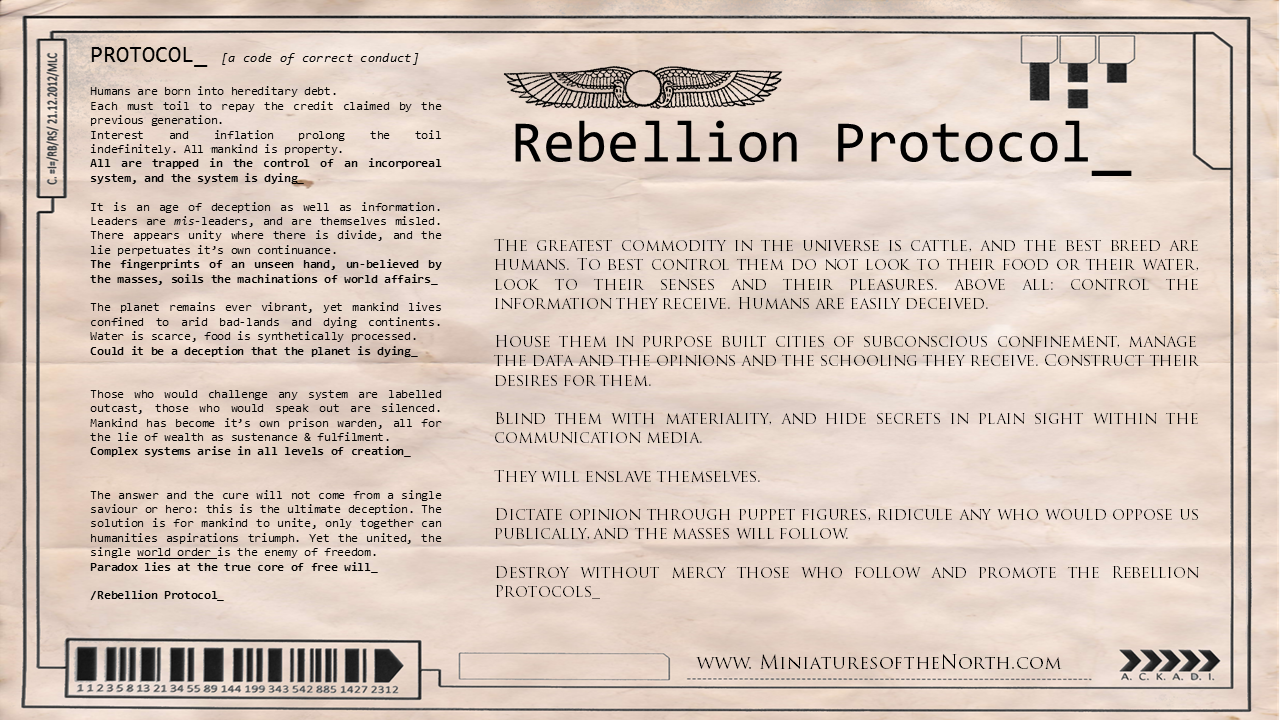
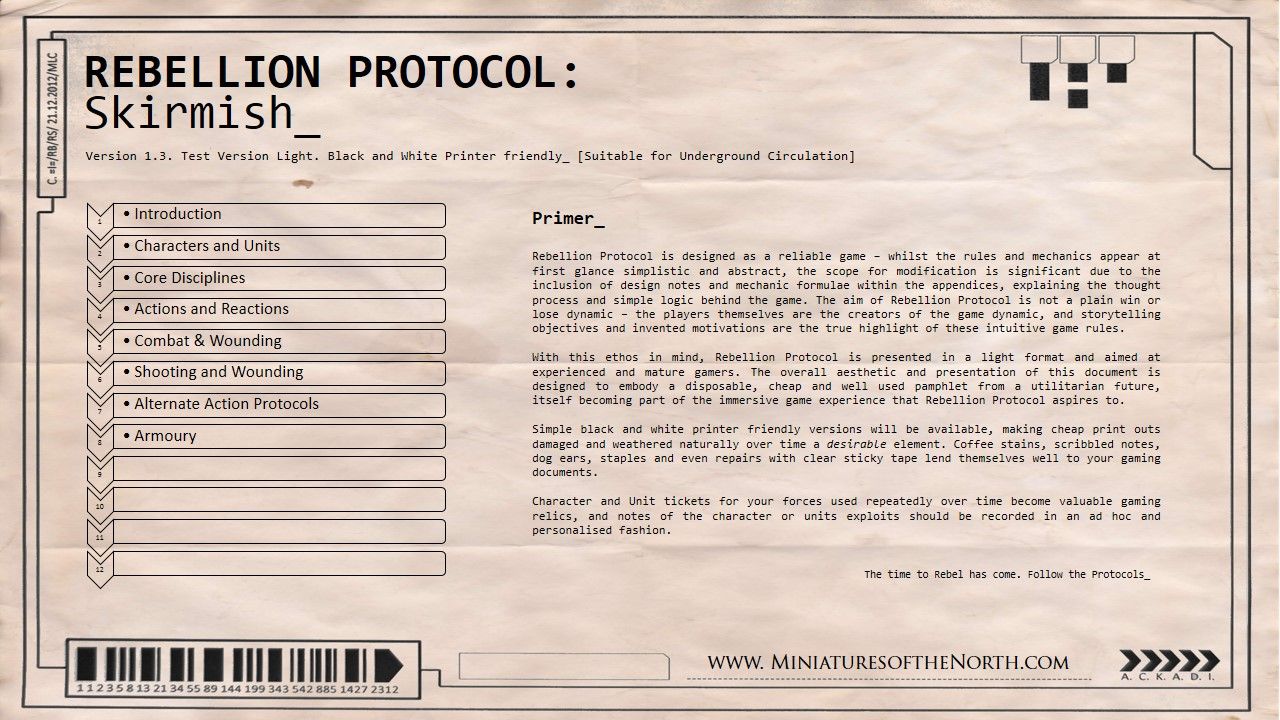
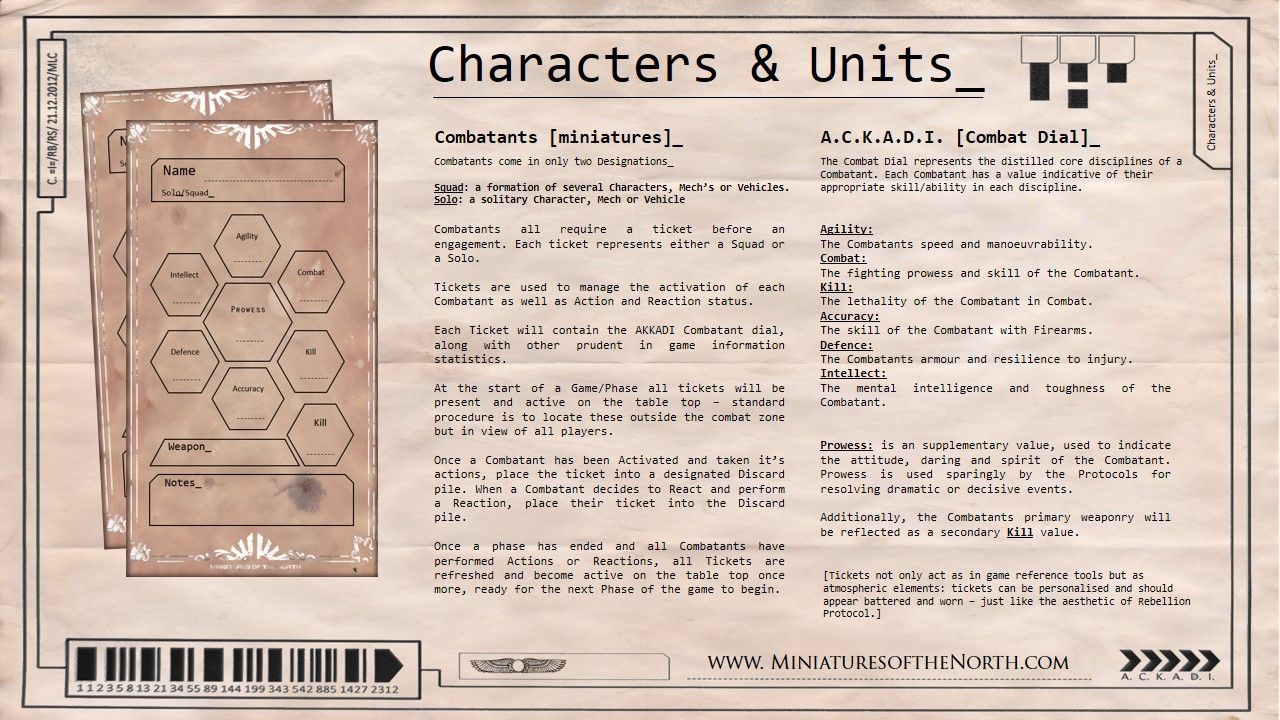
ACKADI was the name of it which was kind of a gimmick, which then became Rebellion Protocol (a mod into the Sci-Fi version).
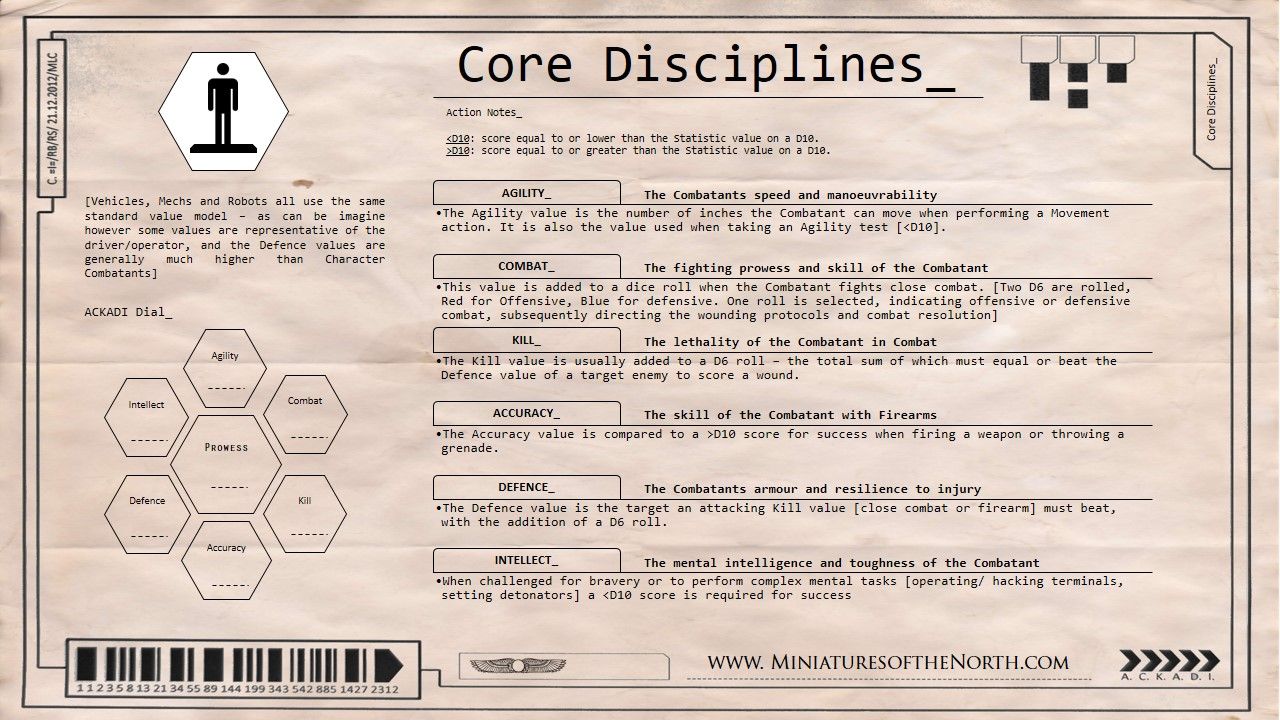
Agility
Combat
Kill
Accuracy
Defence
Identity
...ACKADI, get it.
I'm currently revisiting and tweaking it for Greek Mythology and having a good time doing it, and the results are surprising in a good way.
Whats frustrating and thought provoking in equal measures though is that it's basically a sensible amalgam of all the things I like from a variety of existing games...
To cut to the chase I've concluded, probably erroneously, that the best mechanics I like are already published. Mechanics are nailed. Its the x-factor and the 'campaign' that really make the game... for me anyway.
I do then wonder about the volume of rules being pumped out and published. Who buys them and why, and will that continue? Surely there's a point where the endless purchasing of new games stops. I can understand impulse buying miniatures, but acknowledge I'm biased as a miniature designer. But I'd imagine it would be the opposite, I'm not a game designer therefore impulse buy rules - I rarely buy miniatures because I can just make my own, and better versions that suit my own taste at that.
At this stage I doubt I'll buy anymore rules. I'm well and truly covered.
So back to ACKADI... although made independently, it's pretty similar to LOTR at it's basic core. Annoyingly. But fine. There's enough in it to make it different. And LOTR has been used as the basis for plenty of good rule sets out there. My favourite element to ACKADI is 'the cards'.
Every unit has 'a card', which has their stats and any handy notes/rules pertinent to the unit for reference. I even
have had business cards printed up so they looked fully legit and shiny, full on graphic design artwork, borders, etc (although the guy in the business card print shop at the time didn't really understand what was happening and thought I should at least have an email or phone number on there for people to contact me)
Go look at what Mortal Gods has done and you get the idea.
The cards were a way to manage activation and reaction within a game round. Players take turns alternately selecting a unit and performing actions with it. Once the action was done, the card went into the discard pile. If a unit ever reacted, like taking cover or forming a phalanx shield wall when shot at, the card went into the discard pile and they couldn't act that turn (alternatively they didn't react, took their chances with the arrows coming at them and were able to perform an action that turn).
Not exactly groundbreaking but it did make decision making interesting and you had to take some chances with you battle plan. Throw in a Gorgon who had a special Petrify action that caused the target units card to go into the discard pile and it got a little more interesting, especially if the Gorgons supporting warriors then rushed in to finish off the target in the same turn. Or the local Oracle in your warband might allow you once a game, through the power of her prophecy, take a unit of your choice's card out from the discard pile and then perform more actions with them that turn.
The game goes very quickly and I generally like it. Terrain however plays a huge factor in the game, as does the scenario and set up (random unit cards are selected and you take turns alternatively deploying the units on the table.
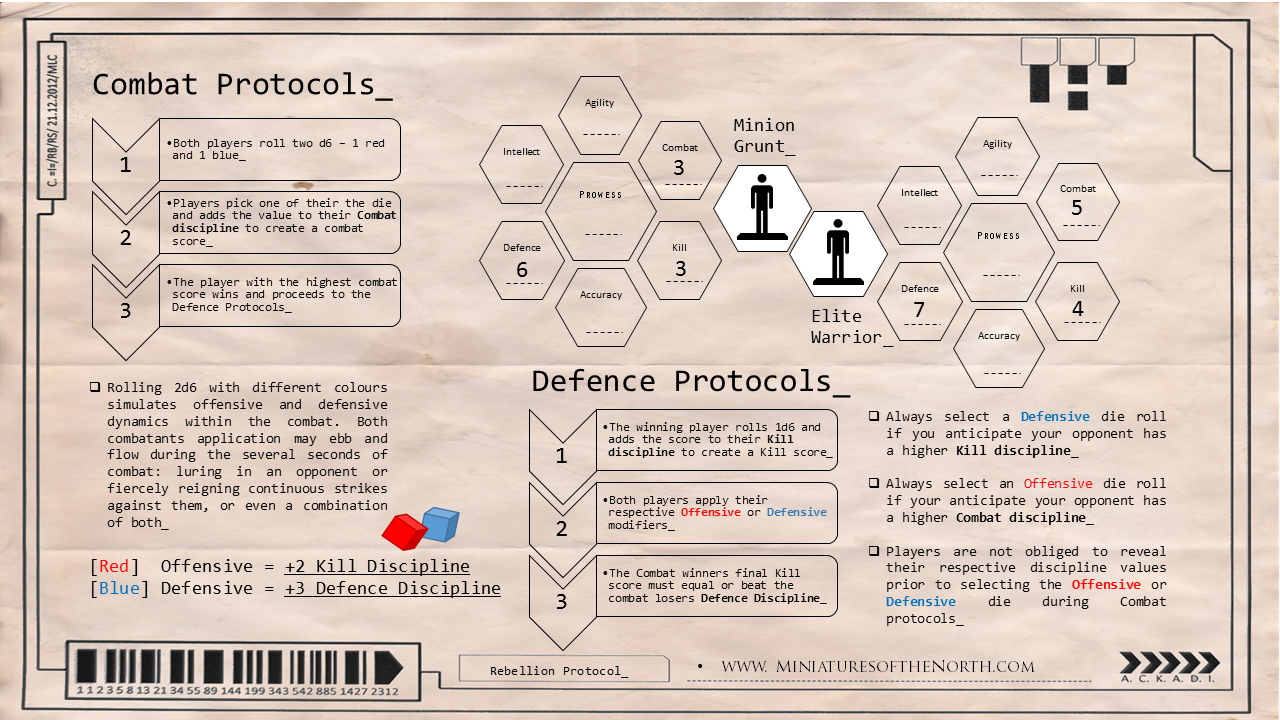
Another mod is the combat mechanics, which generally effected only your heroes and characters. In combat roll 1 blue dice and 1 red. You pick which on to use, usually the highest to add to your combat skill and try to beat your opponents score. Deciding to use either the red or blue dice however was recorded, at the end of the game the total of each colour effected the outcome of the game... red for the dark side blue for the light. It also played into the campaign aspect, and characters and even units could go good or bad and then attract relevant skills or traits respective to their moral leaning. Naturally you might think twice about winning with red dice, being a brutal killer effects your leadership (Identity) and impacts how you can command and control your army.
Going into super detail mode, deciding to use a red dice (aggressive) could also add 1 to your Kill skill, making it more likely you'll wound/kill/eliminate the enemy. Using blue dice (defensive) adds 1 to your Defence skill, making it more likely you'll lose the fight but not be wounded. In practice this slowed down the skirmish games terribly... but it was interesting for a low model count character driven adventure game, like a dungeon crawler or Frostgrave, or Rangers of Shadow Deep.
To curb my ramblings here, I'll tie this together and say constructing your own rules from existing game mechanics isn't even that easy. You need to think the entire game through and make sure everything flows.
Flow is THE MOST important aspect to a set of gaming rules.
Alternate unit action/reaction needs to have some balancing terrain placement (see Infinity, you need lots of terrain. If you get your archers onto high ground with clear field of vision then your units will go at snails pace across the battlefield as they form into phalanxes and move at half speed, all to get their Defence bonus vs being shot at)
Thinking about the objective of the game, or the scenario objectives can also have an impact on basic mechanics like Combat. There's no point having micro decisions or multiple dice rolls (combat, kill, save, etc) if a single dice roll will suffice. Unless your game is about winning humanely, or slaughtering your opponent.
Guarding a shrine to a goddess of peace is a prime example of this, you might need win by having no enemy units within 8" of the shrine after 6 turns... but you also need to do it without using a single red dice from combat, you can only ever use the blue dice. Are there enough alternative tactics in the game to allow the defender to even win (like running out quickly, forming a shield wall then credibly slowly falling back under a hail of assaults until turn 6?
I've ended up with two rule sets in the end, one for a 50odd miniature skirmish game and one for a 5 miniature character adventure game.
At a later date I'll talk about the campaign element which is by far the more interesting and in all honesty why I'll continue with the endeavour - I need some good Greek Mythology action.
I'll also talk about the meta-game, specifically the creative aspect... designing and making your own unit cards. It becomes a bit of an atmospheric ritual to create new cards for each game, updating them from the last one with new abilities or wounds. Making it easy for people with templates is critical to stop it becoming a chore.
Thanks for reading.
I'm not sure if I had an insightfully fresh point to make here, and I might have contradicted myself.. but I'll simply reiterate - Kudos to game designers!
If you don't feel this way then you don't understand game design.
Oh and p.s my movie style Spartans are off to the mould maker this week so I'll hopefully show them off by the end of next week.